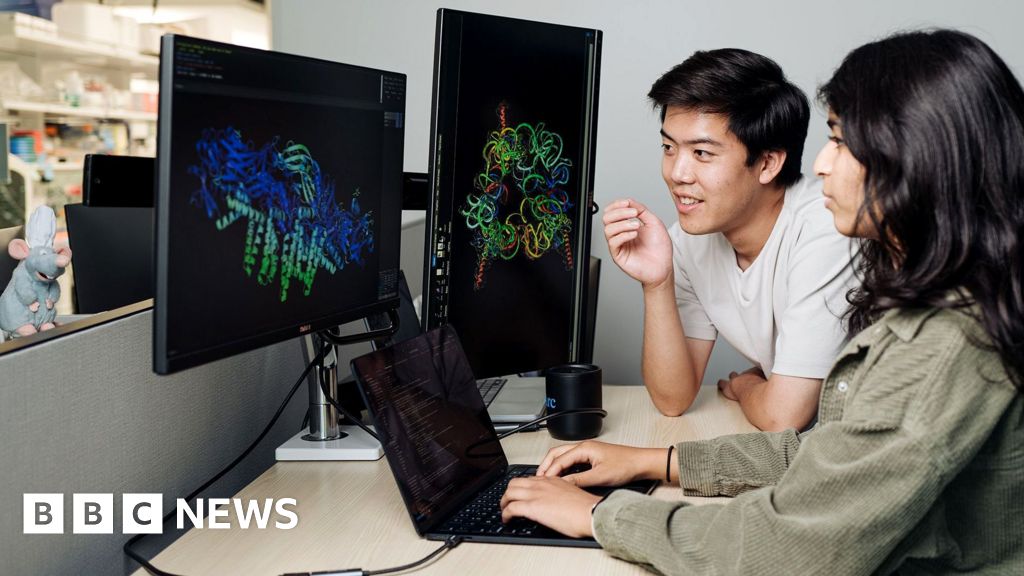
The researchers used genomic language models (LLM equivalents applied to genomes) to map out new cell structures and protein targets for a bacteria-phage (virus that targets bacteria) that could infect and kill e-coli.
With or without AI this is possible to do. AI just speeds up the process and makes it easier. Phages have a lot of down sides over antibiotics, but have one major upside in that they don’t spread antibiotics around and make resistant bacterial strains. If we could make custom or semi-custom phages for phage therapy we could legitimately use as an immune booster if nothing else. Weaken the bacteria so the immune system can actually fight it off. Or amplify the effects of antibiotics that might be weakened my a resistant or semi-resistant strain.
It might even make viral therapy against cancer cells more viable. A major problem with that currently is virus that can infect cancer tend to infect other normal cells too. But a highly targeted virus could, in theory, select for a specific cell line created by cancer.
This is what we need now, in the rise of antibiotic resistant bacteria. This is good research.
After Europe and the world switched to antibiotics, only the USSR continued to study phages. There are phages medicine and even cosmetics in post-Soviet countries.


Is there a source other than BBC? Not doubting this isn’t true, but I will never trust anything BBC says, ever.
Here’s some redditor’s summary of the original research paper that this article is referencing.
Related
So it’s about bacteriophages. They are good guys.
After Europe and the world switched to antibiotics, only the USSR continued to study phages. There are phages medicine and even cosmetics in post-Soviet countries.
On the other note, I’m sure that the development of harmful viruses with the AI speed up is currently being done in Burger state
A Reddit link was detected in your comment. Here are links to the same location on alternative frontends that protect your privacy.