☆ Yσɠƚԋσʂ ☆@lemmy.ml to Science@lemmy.mlEnglish · 6 months agoChinese scientists reveal glowing plants that could light citieswww.euronews.comexternal-linkmessage-square6linkfedilinkarrow-up134arrow-down13
arrow-up131arrow-down1external-linkChinese scientists reveal glowing plants that could light citieswww.euronews.com☆ Yσɠƚԋσʂ ☆@lemmy.ml to Science@lemmy.mlEnglish · 6 months agomessage-square6linkfedilink
minus-square☆ Yσɠƚԋσʂ ☆@lemmy.mlOPlinkfedilinkarrow-up5·6 months agoI don’t think there’s any fundamental reason why you couldn’t get plants to produce a stronger glow though.
minus-squareSaveTheTuaHawk@lemmy.calinkfedilinkEnglisharrow-up1arrow-down1·6 months agoOf course there is, you can’t get more energy out than you put in.
minus-square☆ Yσɠƚԋσʂ ☆@lemmy.mlOPlinkfedilinkarrow-up6·6 months agoObviously, but that doesn’t mean plants can’t be designed to accumulate energy during the day though photosynthesis and release it at night in form of bioluminescence. There’s actually a whole separate line of research regarding that: https://www.moeveglobal.com/en/planet-energy/sustainable-innovation/bioelectricity-plants-renewable-energy https://www.snexplores.org/article/tree-cellulose-lignin-batteries-energy-storage-green-technology-forests


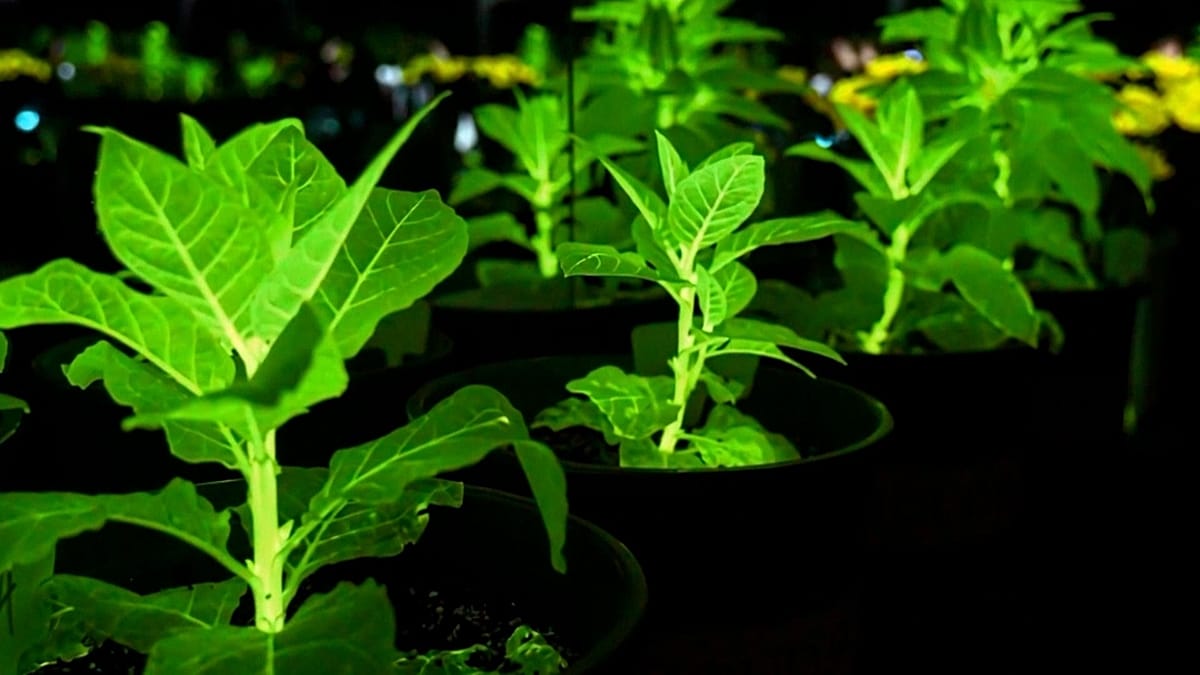
I don’t think there’s any fundamental reason why you couldn’t get plants to produce a stronger glow though.
Of course there is, you can’t get more energy out than you put in.
Obviously, but that doesn’t mean plants can’t be designed to accumulate energy during the day though photosynthesis and release it at night in form of bioluminescence. There’s actually a whole separate line of research regarding that: