
You know, when people say the Nile is not the jewel of Egypt, but Egypt is the jewel of the Nile?
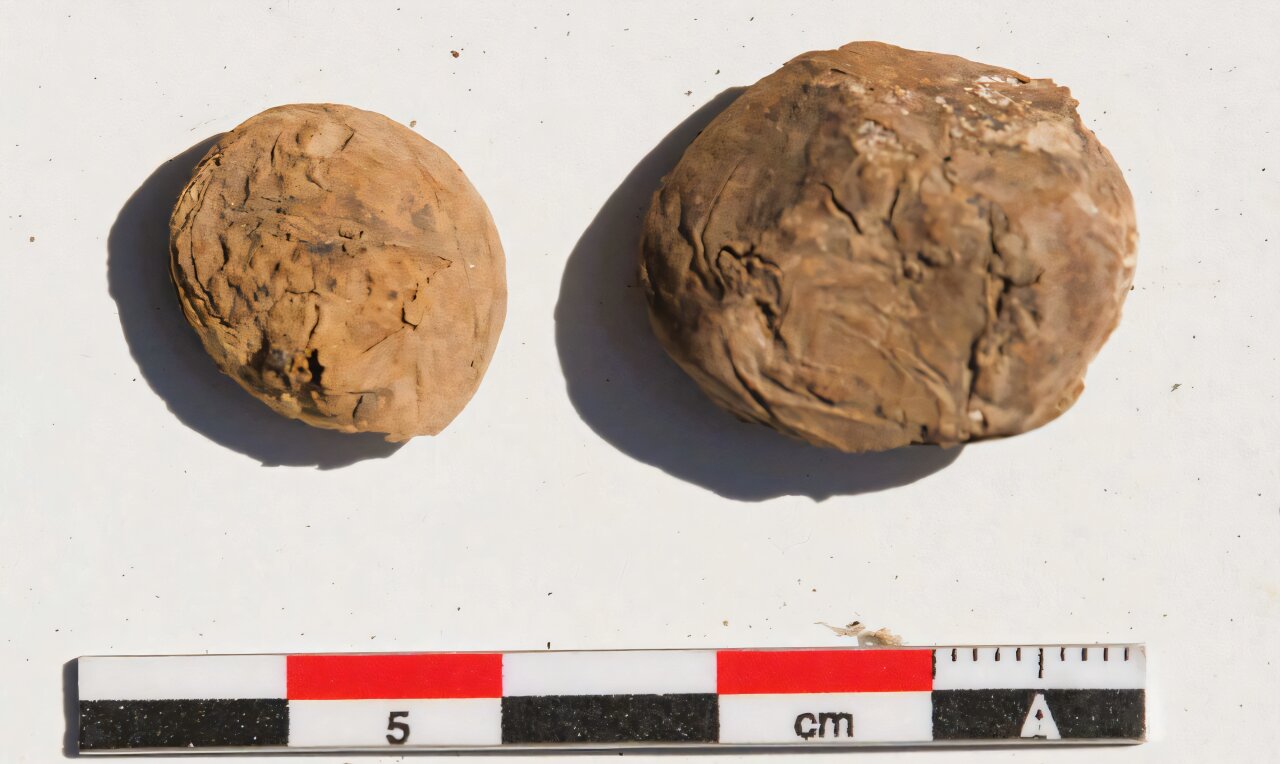
So. The Inca Empire did not create chuño; chuño created the Inca Empire. It was what allowed the relatively small kingdom of Cuzco to feed its troops for long-term war, and eventual conquest of neighbouring peoples, forming the Inca Empire.
The technique is probably way older than the chuño they found, from the 13th century or so.
Even after the fall of the Inca, chuño remained a staple food.
Even today. Here’s an example (chuño puthi, i.e. chuño with a peanut sauce). Interesting enough the folks in that region seem to treat it as an ingredient completely apart from potatoes, they aren’t interchangeable and some recipes call for both in specific amounts.
You’ll also see ground chuño being used in plenty soups as a thickener.
alongside other important Indigenous staples, such as dried meats.
Specially ch’arki. Originally made from llama meat and similar, but with the introduction of cows I bet it’s mostly bovine nowadays. Sun-dried and salted, it doesn’t get all the fancy processing as the above, but it was damn important regardless, you can’t live just off potatoes.
The Inca empire lasted just about a century. They stood on the shoulders of great previous civilizations.
eat it
Shoutout to Charles Mann’s 1493, which contains a remarkably insightful survey of potato biology and indigenous Andean cultivation. Highly recommend for anyone interested in the topic.
https://en.wikipedia.org/wiki/1493:_Uncovering_the_New_World_Columbus_Created


