
Expand article
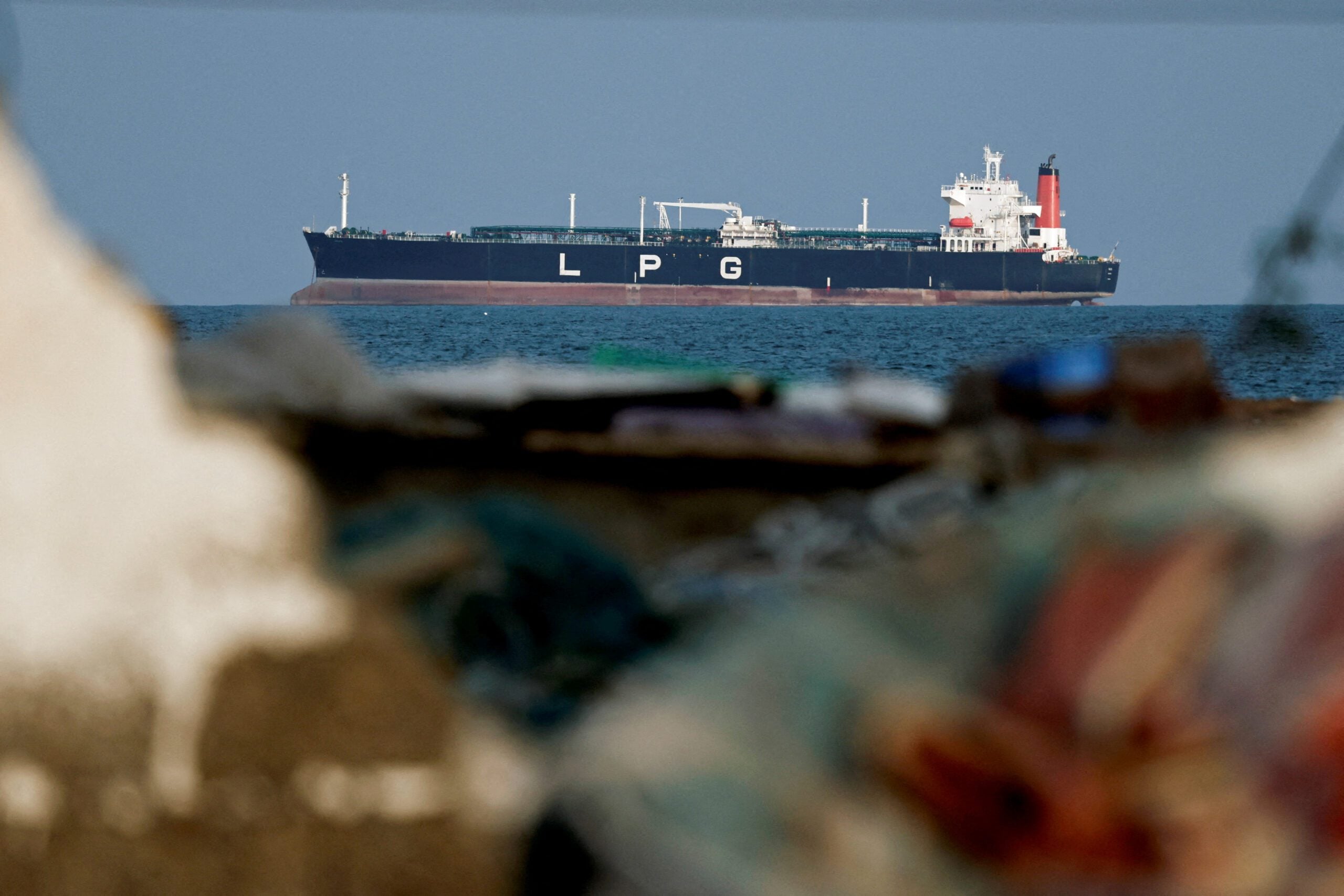
NEW DELHI, March 28 (Reuters) – Two liquefied petroleum gas tankers, BW Elm and BW Tyr, are crossing the Strait of Hormuz bound for India, according to ship tracking data from LSEG and Kpler.
The U.S.-Israeli war against Iran has all but halted shipping ?through the strait, but Iran said this week that “non-hostile vessels” may transit the waterway if ?they coordinate with Iranian authorities.
The two India-flagged vessels have crossed the Gulf area and are in the eastern Strait of Hormuz, the data showed.
India is gradually moving its stranded LPG cargoes out from the strait, with four LPG tankers moved so far – Shivalik, Nanda Devi, Pine Gas, and Jag Vasant.
As of Friday, 20 Indian-flagged ships including five LPG carriers were stranded in the Gulf, Rajesh Kumar Sinha, special secretary in the federalshipping ministry, said.
LPG carriers Jag Vikram, Green Asha and Green Sanvi are still in the western Strait of Hormuz, LSEG data show.
India, the world’s second-largest LPG importer, is battling its worst gas crisis in decades, with the government cutting supplies for industries to shield households from any shortage of cooking gas.
The country consumed 33.15 million metric tons of LPG, or cooking gas, last year, with imports accounting for about 60% of demand. About 90% of those imports came from the Middle East.
India is also loading LPG onto its empty vessels stranded in the Gulf.
(Reporting by Nidhi Verma; Editing by Jan Harvey)
© Copyright Thomson Reuters 2026.
Editorial Standards · Corrections · About gCaptain
This article contains reporting from Reuters, published under license.

Subscribe for Daily Maritime Insights
Sign up for gCaptain’s newsletter and never miss an update
— trusted by our 107,427 members
Two LPG tankers, BW Elm & BW Tyr, are crossing the Strait of Hormuz bound for India, with Iran permitting “non-hostile vessels” that coordinate with authorities. India has moved four stranded LPG cargoes so far, while 20 Indian-flagged ships remain in the Gulf. The country—the world’s second-largest LPG importer—faces a gas crisis; about 90% of imports come from the Middle East & account for 60% of demand.